
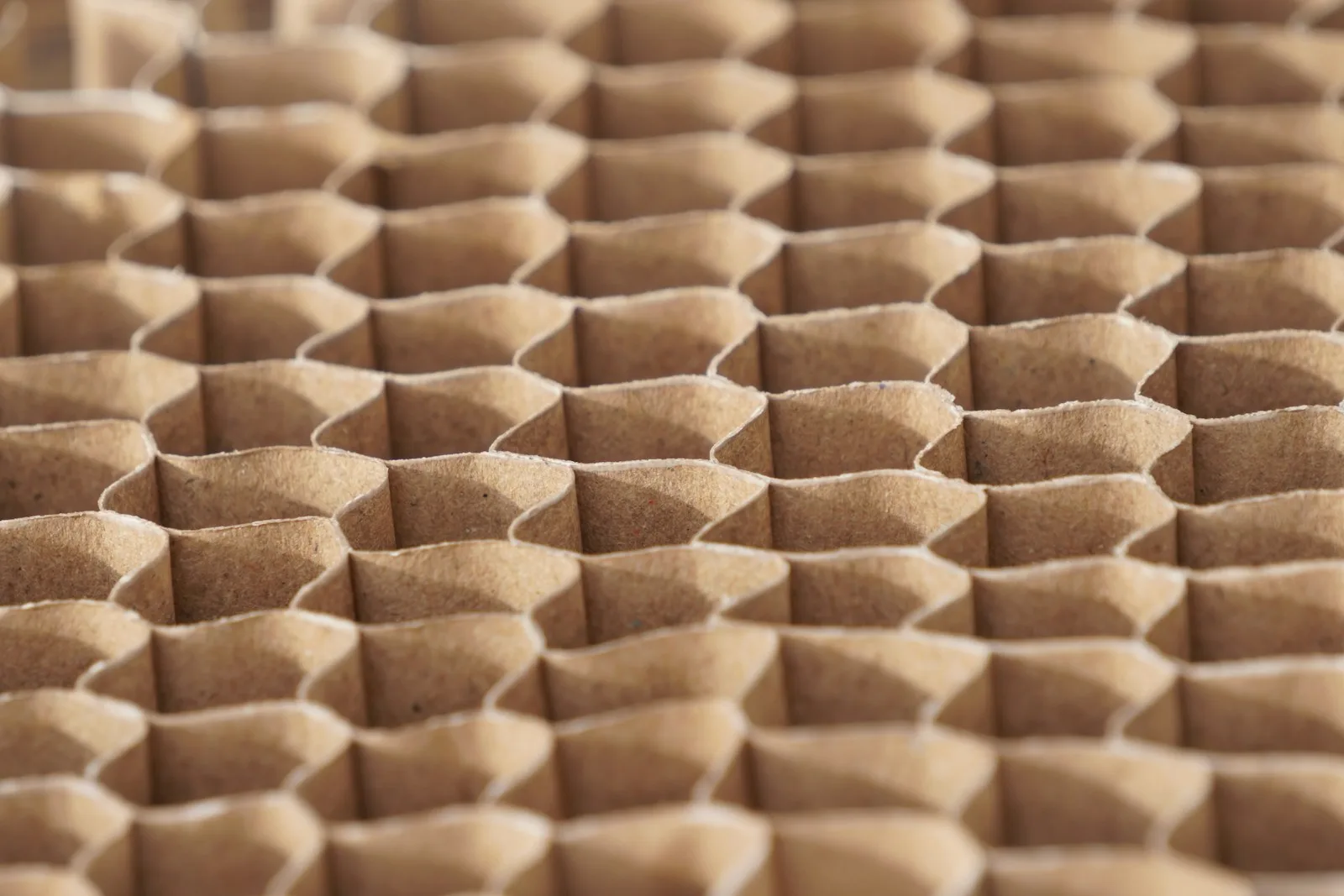
Nobody wakes up excited to think about boxes… but a shocking amount of an eCommerce operation’s margin and its customer experience lives entirely inside that corrugated brown rectangle.
Why Box Weight Matters More Than You Think
Carriers like FedEx, UPS, USPS charge based on the greater of actual weight and dimensional weight (DIM weight), calculated as L × W × H ÷ DIM divisor.
UPS and FedEx currently use 139 for ground shipments. A big, lightweight box gets billed as if it weighs more than it does — and the box itself is part of that math.
That consistent ~0.5 ounce overhead for tape, labels, and dunnage in the table below? Multiply that by 500 shipments a month and you’ll start caring about it.
Little-Known Fact: The corrugated cardboard box was patented in the US in 1894 — but it didn’t fully replace wooden crates as the standard shipping container until the 1950s. Your humble mailer box is historically very young.
Standard Box Reference Chart
| Dimensions (L × W × H) Inches | Box Weight (lbs) | Total With Tape, Label Etc (lbs) |
|---|---|---|
| 4 × 4 × 4 | 1.2 | 1.7 |
| 5 × 5 × 5 | 1.8 | 2.3 |
| 6 × 6 × 6 | 2.5 | 3.0 |
| 8 × 6 × 4 | 3.0 | 3.5 |
| 12 × 6 × 6 | 5.8 | 6.3 |
| 15 × 12 × 10 | 12.5 | 13.0 |
| 16 × 12 × 12 | 14.2 | 14.7 |
| 18 × 18 × 16 | 24.0 | 24.5 |
| 18 × 18 × 24 | 31.0 | 31.5 |
| 24 × 18 × 24 | 43.0 | 43.5 |
| 12 × 12 × 40 | 36.0 | 36.5 |
The DIM Weight Trap
The 12×12×40 box is the perfect villain here. Its DIM weight (using the 139 divisor) is 41.3 lbs — but its total shipped weight is only 36.5 lbs. Ship something light in that tall tube and you’re paying for ghost pounds. The fix: size your box as snugly as your product and padding allow.
Pro Tip: Plan for 2 inches of void fill on all six sides. That means product dimensions + 4″ per axis = your target box size. Less than that and you’re gambling on transit damage. More and you’re paying DIM weight penalties.
ECT vs. Burst Strength — Pick the Right Box
Not all corrugated is equal and here’s the two ratings you’ll see:
- Burst Strength (Mullen Test) — puncture and pressure resistance. A 200# Burst box handles roughly 65 lbs.
- Edge Crush Test (ECT) — stacking strength, more relevant for palletized shipping. A 32 ECT box is roughly equivalent to a 200# Burst box in practice.
PROTIP: Carrier liability claims can be denied if your box doesn’t meet their published packaging strength specs for a given weight. The box spec matters legally, not just operationally.
The Unboxing Effect Is Real
A rattling, oversized box full of air pillows signals “we grabbed whatever was on the shelf” while a snug, right-sized box with clean tape lines signals “someone thought about this.”
In a 2023 Dotcom Distribution study, 40% of consumers said they’d share a photo of premium packaging on social media. That’s free marketing that lives or dies on your box selection.
Little-Known Fact: Standard corrugated boxes have a right-side-up orientation — flute channels run vertically when the box stands normally. Stack them upside down and you can lose up to 60% of stack strength. Check the arrow on the label.
Pro Tips Recap
- Stock the cube first. The 6×6×6 and 8×6×4 are sweet-spot sizes — they dodge DIM penalties on most ground shipments and stay under USPS Priority flat-rate thresholds for lighter goods.
- Automate the selection. ShipStation, ShipBob, and Pirateship all support box presets. Feed them this chart and let the algorithm do the DIM math at checkout — one of the highest-ROI automations in eComm ops.
- Version your box spec sheet. Update it whenever you add SKUs or a carrier reprices. Treat it like a config file, not a napkin note.
Boxes are boring right up until they cost you money, break your product, or tank a review. Now you’re the one at the team meeting who knows the DIM divisor by heart. Hey, you’re welcome.
Need help automating your shipments or packages? Contact Foxco~






![Yfdnhalbbjk 1024x683[1]](https://www.foxco.net/wp-content/uploads/2025/11/yfdnhalbbjk-1024x6831-1.webp)


![Home hero 2k 2048x1060[1]](https://www.foxco.net/wp-content/uploads/2025/10/home-hero-2k-2048x10601-1.avif)